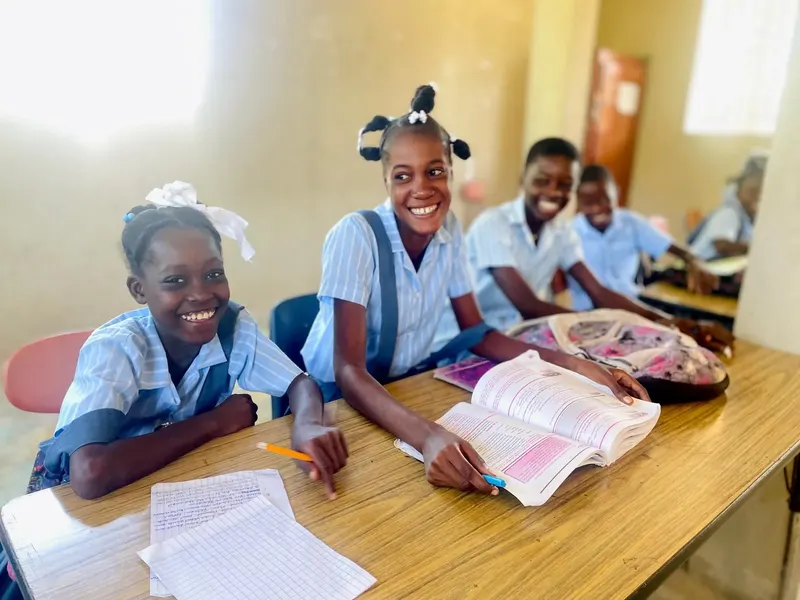
 Photo: Brighten Haiti
42
lights delivered
Brighten Haiti · Haiti
Solar power for schools, hospitals and families through Solar4Schools. Brighten Haiti received 42 study lights.
Our impact
As of October 2026, Flash Forward Foundation has delivered 72 solar study lights to three partners: 42 to Brighten Haiti, 15 to Loksadhana in India and 15 to Malaika in the DR Congo. By our estimate that adds about 432 study hours a day, and about 100 students have joined our solar workshops.
Program record as of October 2026
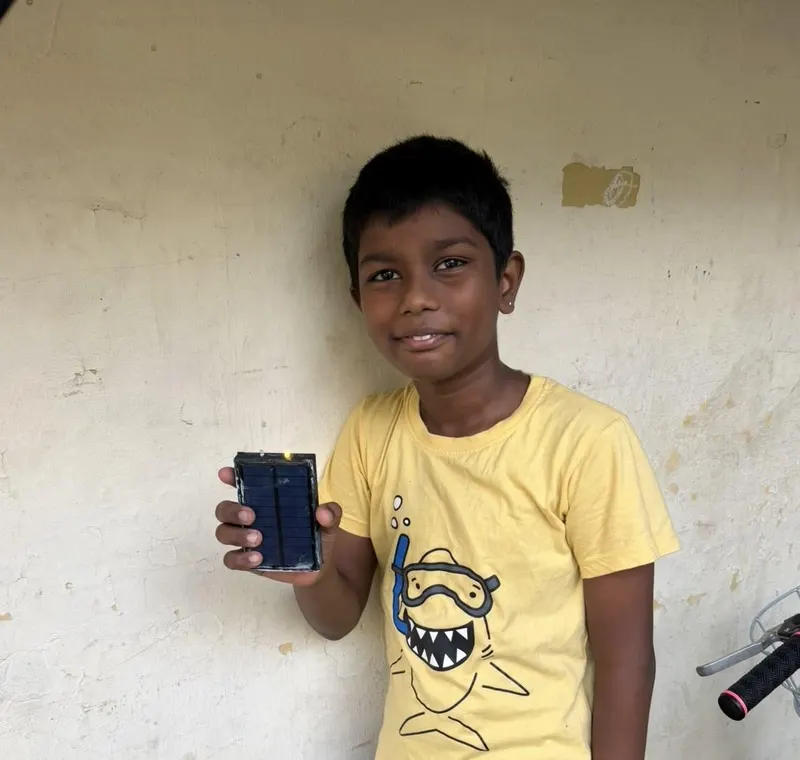
study lights built and delivered to partners
42 Haiti · 15 India · 15 DR Congo
countries where partners place the lights
Brighten Haiti, Loksadhana and Malaika each choose the students who receive them.
estimated study hours a day
72 lights, each giving about 6 hours of use a night by our estimate.
students in our hands-on solar workshops
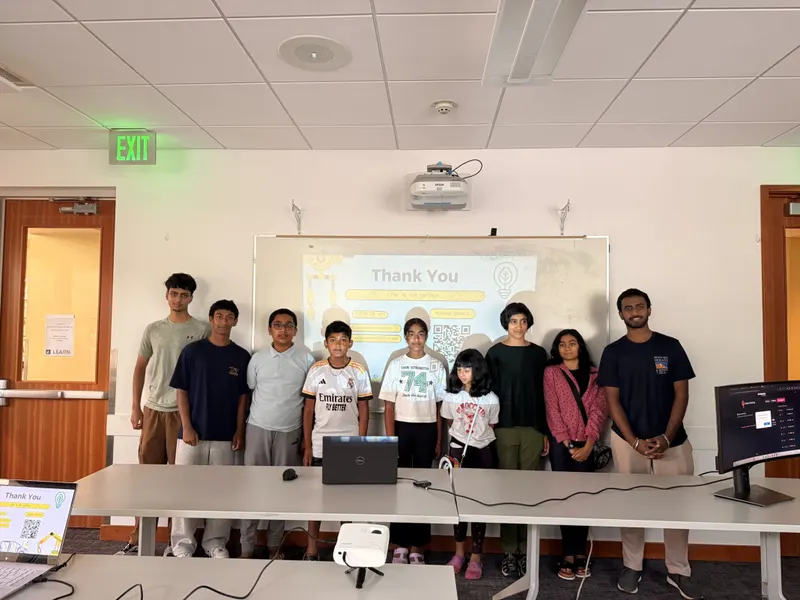
4 workshops where the team teaches solar charging and assembles a light.
Sources and method
Partners
Photo: Brighten Haiti42
lights delivered
Solar power for schools, hospitals and families through Solar4Schools. Brighten Haiti received 42 study lights.
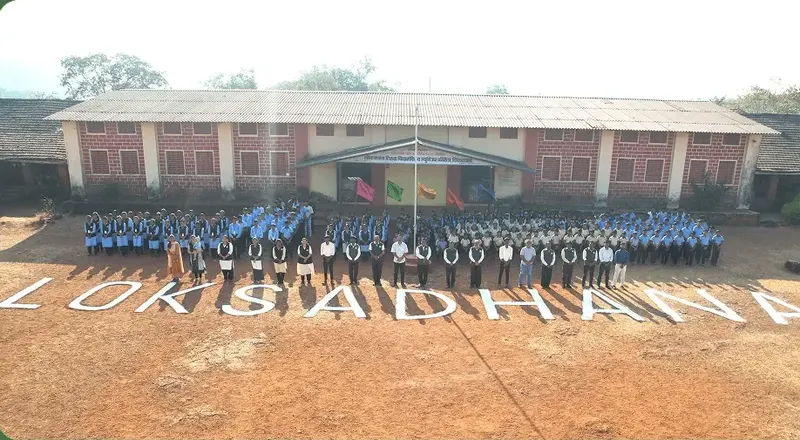 Photo: Loksadhana
15
lights delivered
A charitable trust advancing rural education, women’s empowerment and health. Loksadhana received 15 study lights.
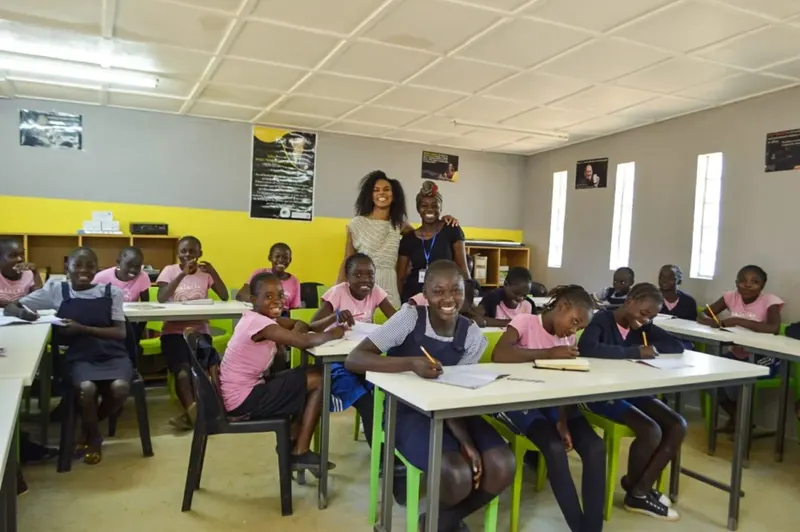 Photo: Malaika
15
lights delivered
A free school for girls in Kalebuka, near Lubumbashi. Malaika received 15 study lights.
COEC Nigeria — quality education in underserved communities.

Rethread Global — dignified employment for people rebuilding their lives.

BSREA Bangladesh — clean-energy access.
In their own words
Students at a Dumas school served by Brighten Haiti wrote about school before and after solar power (Nov–Dec 2025, English translation).
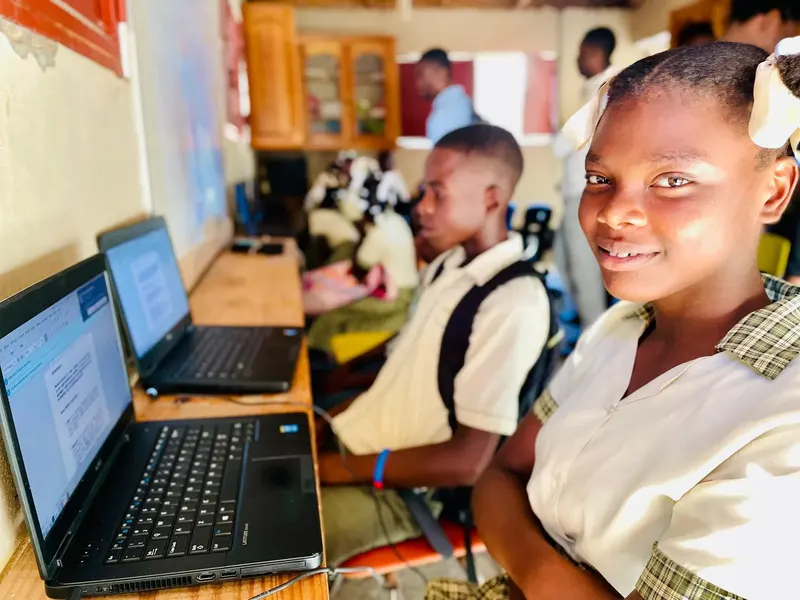
“The solar system is not just light, it's our hope for the future in Dumas.”
— Tamisade, NS2“I can charge my phone now, I feel comfortable, and I'm no longer embarrassed.”
— Mitchcaila, 7th grade
“It's a complete change—we work better and more easily.”
— Hudson, 9th grade
people lived without electricity in 2024
Tracking SDG7: The Energy Progress Report 2026 (IEA, IRENA, UN Statistics Division, World Bank, WHO)
In much of India and Sub-Saharan Africa school ends around 3 PM and the sun sets around 6 PM — leaving a student only 2–3 hours of daylight to study before the evening goes dark. A charged study light adds about 6 hours of reading time a night.
Last reviewed October 11, 2026.